
Interactive Directories
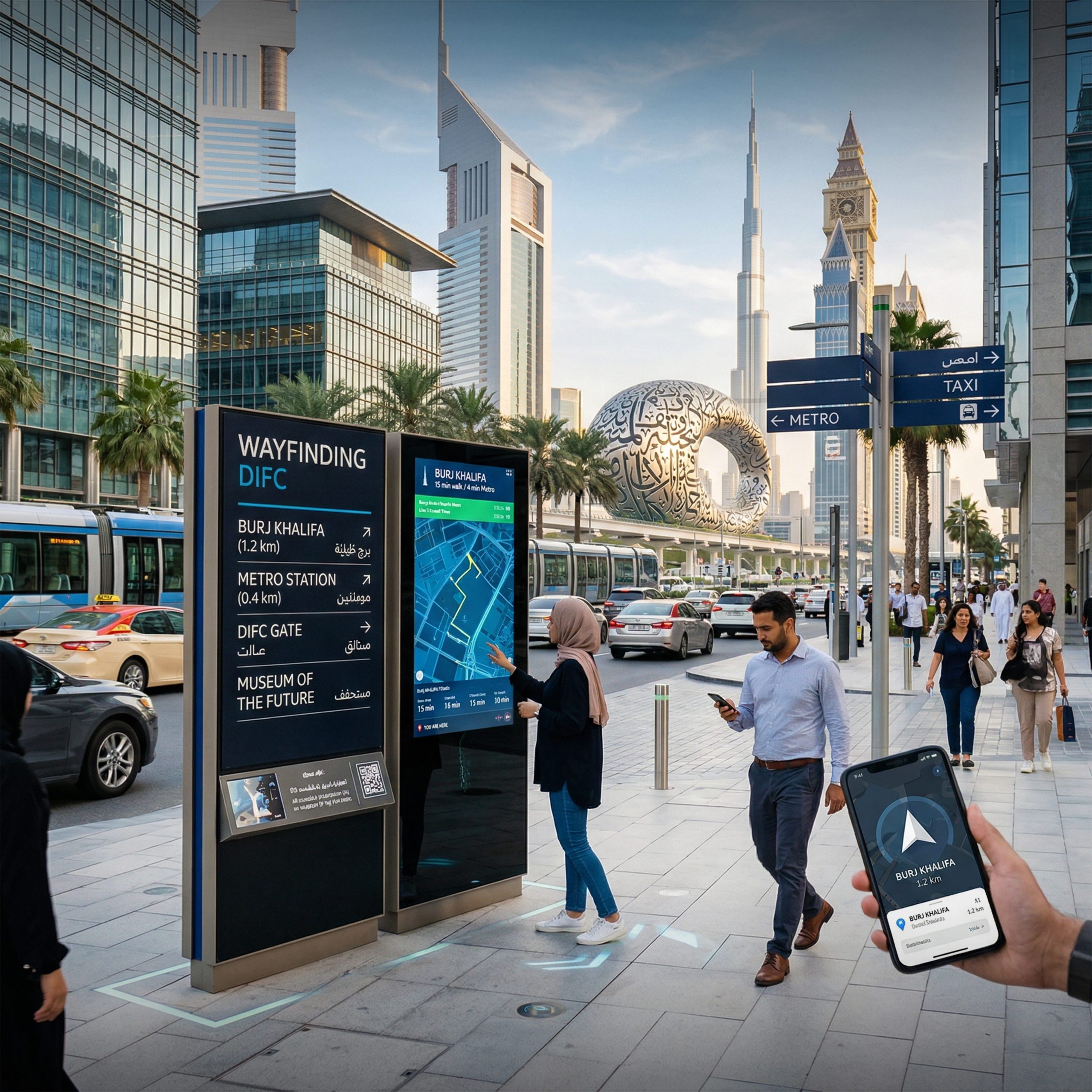
Touchscreen kiosks or digital directories that allow users to search for destinations and view building maps.

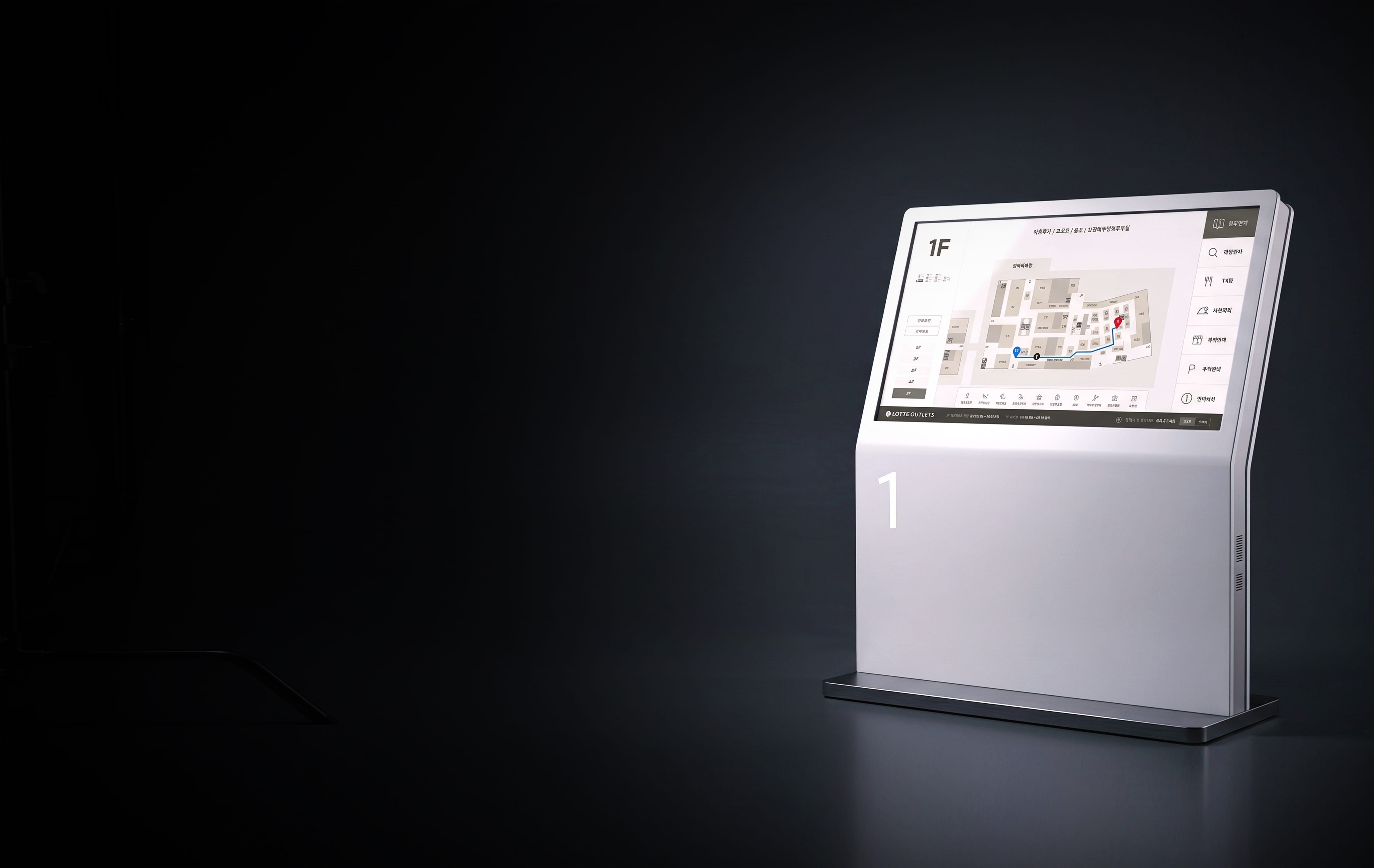
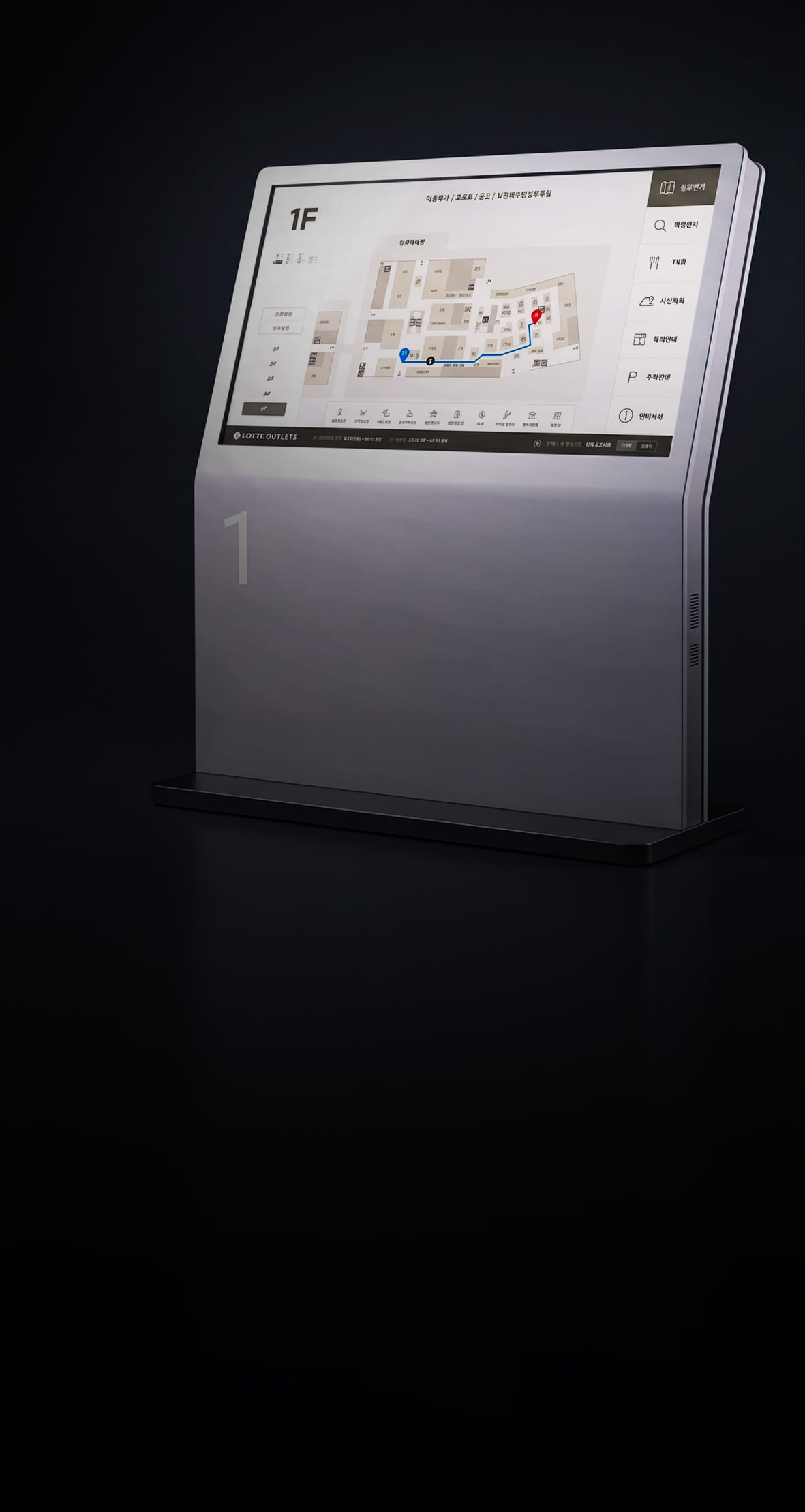
Digital wayfinding systems combine physical navigation elements with digital interfaces to help users locate destinations more easily within complex environments. These systems support interactive navigation, dynamic information updates and improved orientation within buildings and campuses. RIZQ Group supports organisations in implementing digital navigation systems that integrate with physical wayfinding strategies.
Navigation systems within buildings have traditionally relied on static signage to guide visitors toward destinations. While these systems remain essential, many environments are now complementing physical signage with digital navigation tools that provide interactive guidance and dynamic information.
Digital wayfinding systems allow users to search for destinations, view navigation routes and receive updated information through interactive displays or digital interfaces. These systems work alongside traditional wayfinding signage to support clearer orientation within complex environments.
Together, physical signage and digital interfaces create more comprehensive navigation systems for modern buildings and campuses.
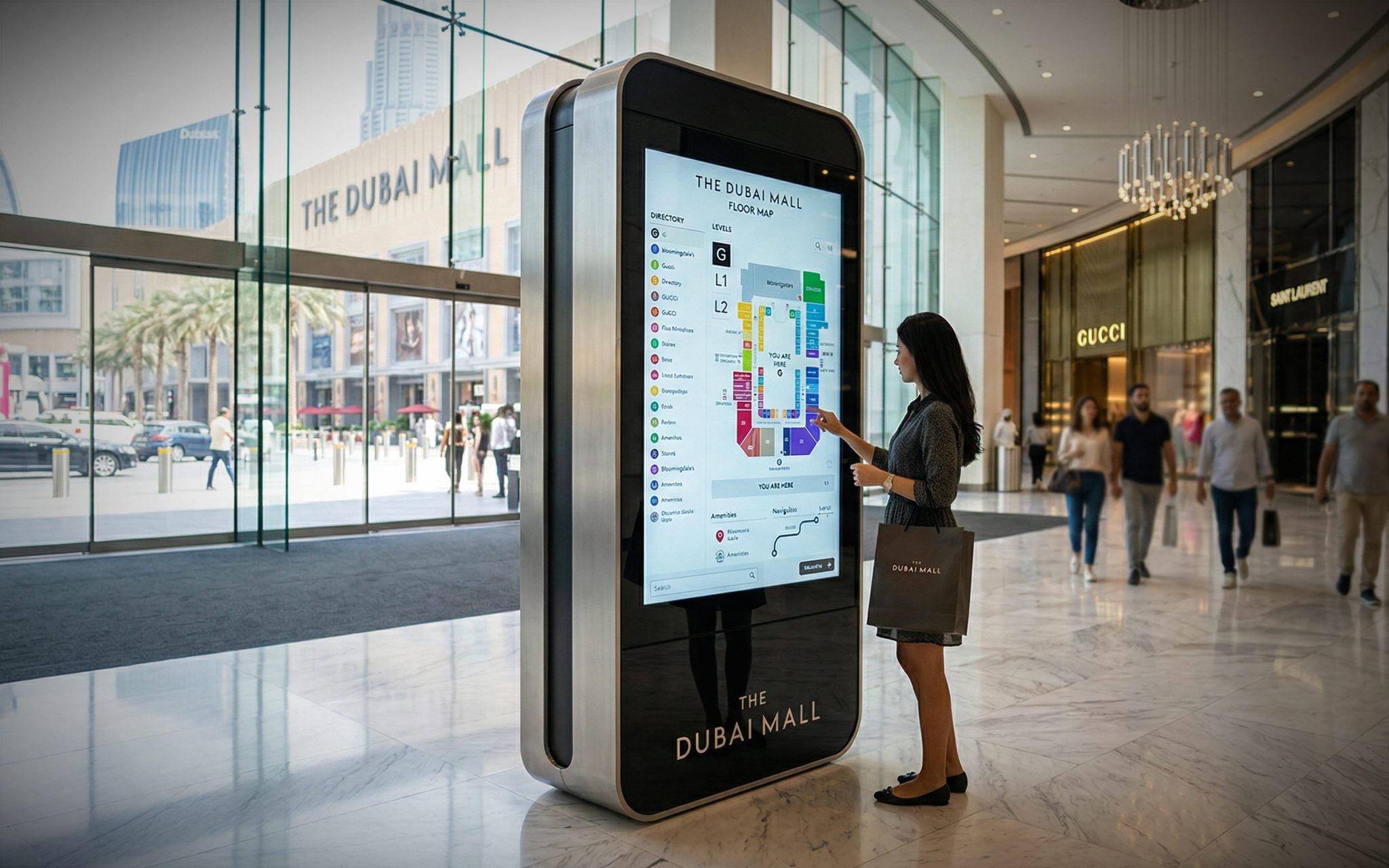
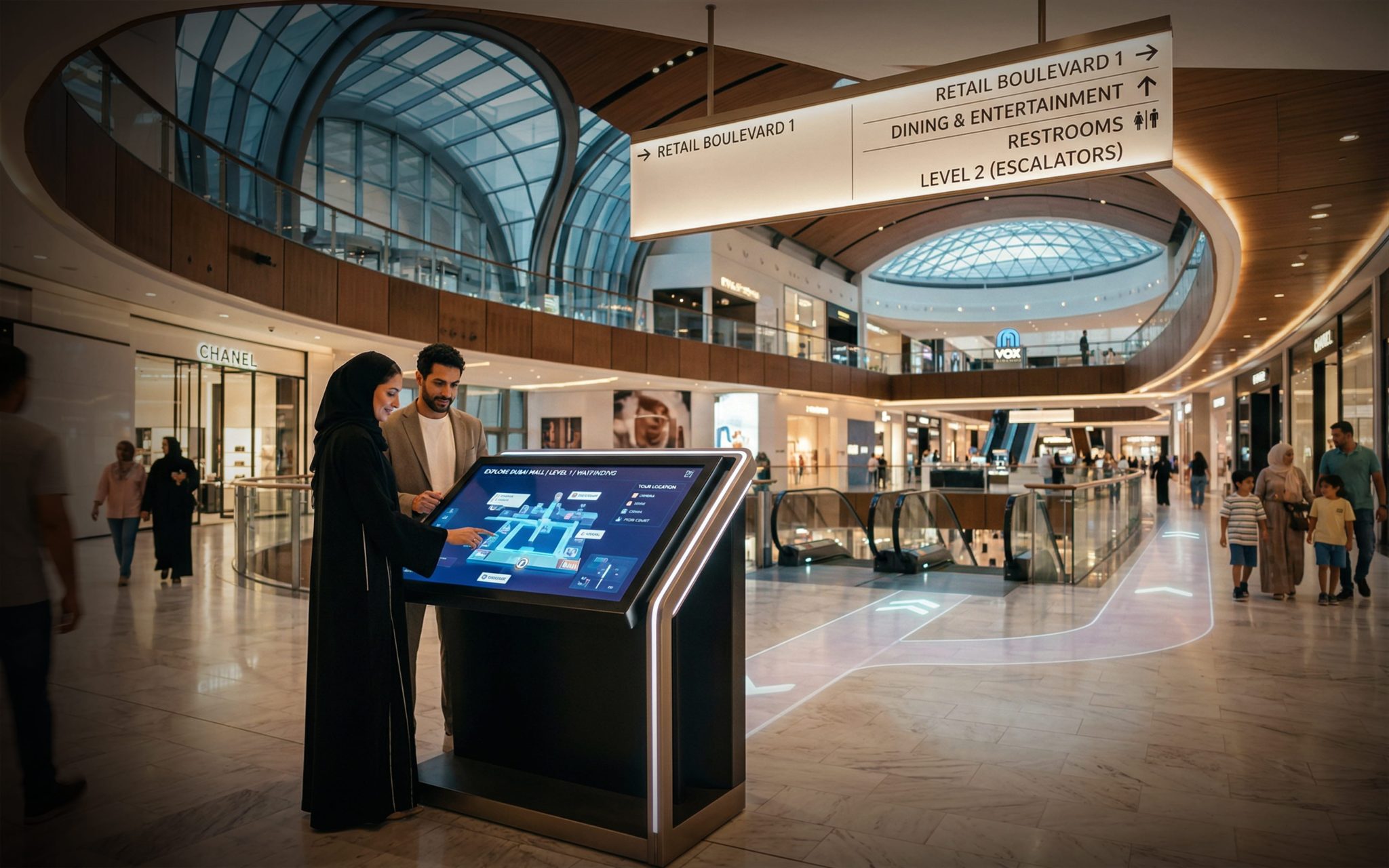
Modern environments increasingly combine physical wayfinding systems with digital navigation tools to help users understand and navigate complex spaces. Integrated spatial navigation brings together signage systems, digital interfaces and spatial information to support clearer orientation within buildings and campuses.
Together, these elements support more effective navigation across large environments. As environments become larger and more dynamic, integrated navigation systems will play an increasingly important role in helping people move through spaces confidently.
Digital wayfinding systems combine multiple components that work together to help users locate destinations and navigate complex environments. These components connect physical wayfinding elements with digital interfaces to provide clearer navigation guidance.
Touchscreen kiosks or digital directories that allow users to search for destinations and view building maps.
Software platforms that manage location data, routing information and destination directories.

Screens positioned within buildings to provide navigation information, maps and dynamic updates.

Digital navigation tools that complement physical wayfinding signage across the environment.
Digital wayfinding systems are typically implemented in environments where visitors must locate destinations quickly and navigate large building layouts. These systems help users search for locations, view navigation routes, and orient themselves within unfamiliar spaces.
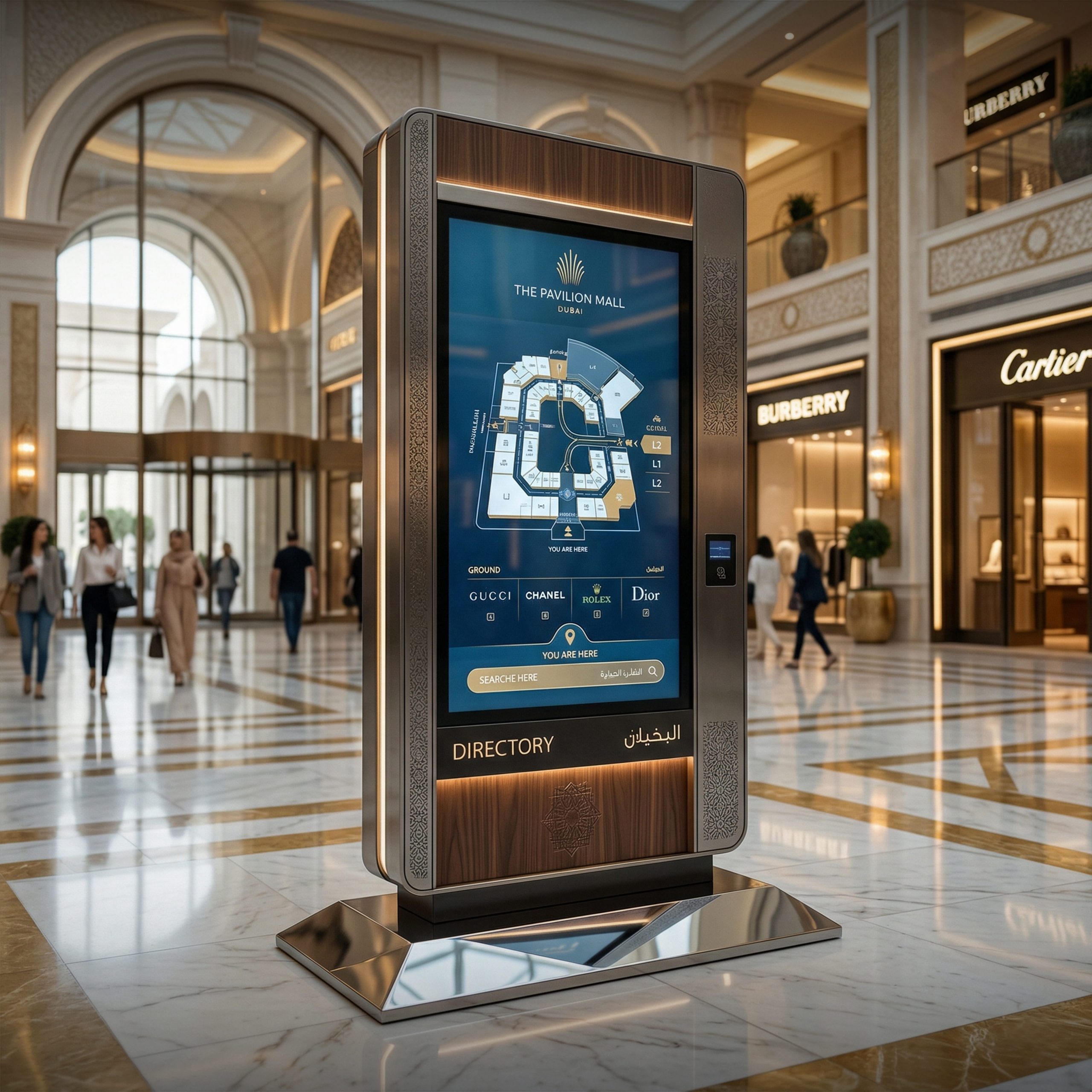
Interactive directories that allow visitors to locate stores and view navigation routes.
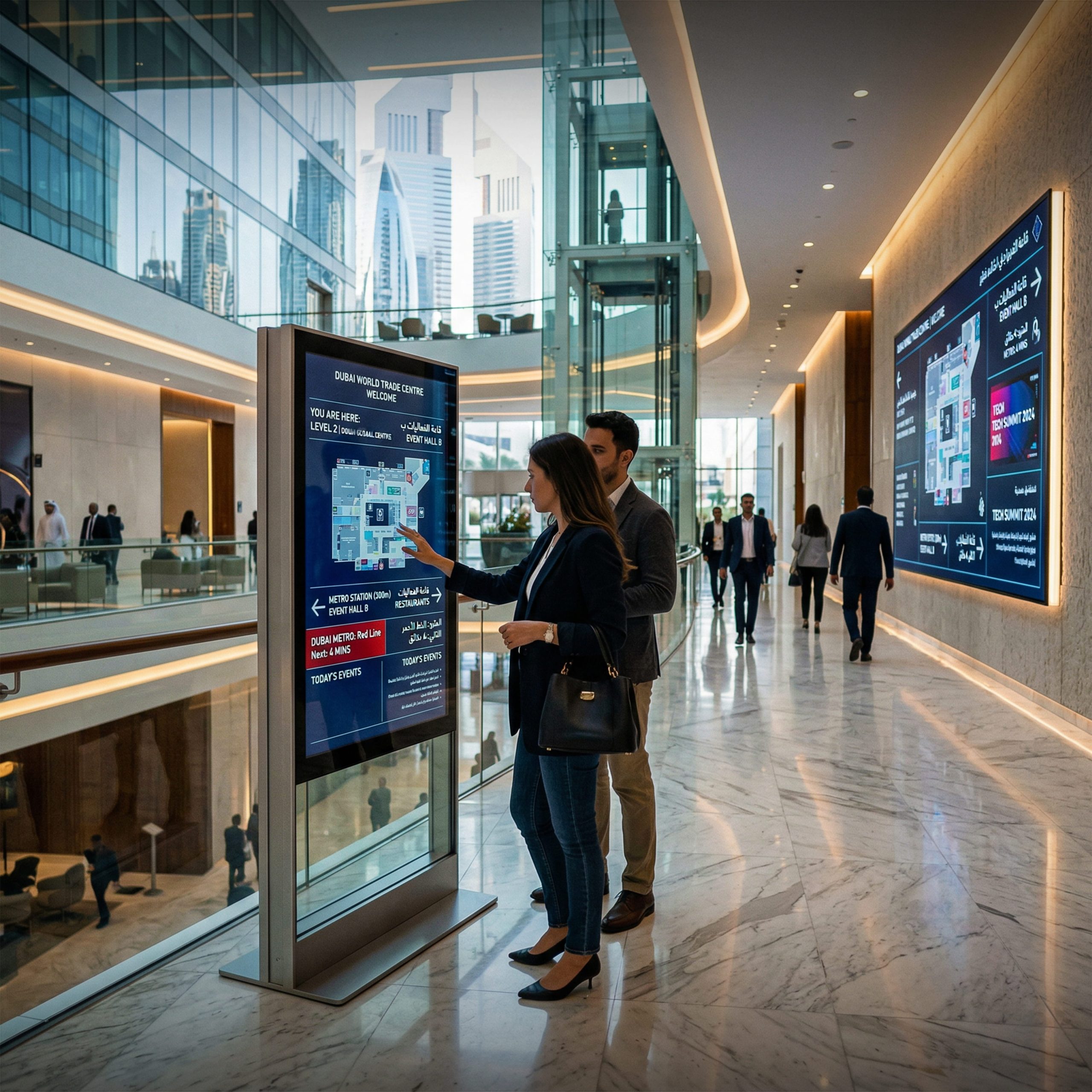
Digital navigation tools helping patients and visitors locate departments and services.
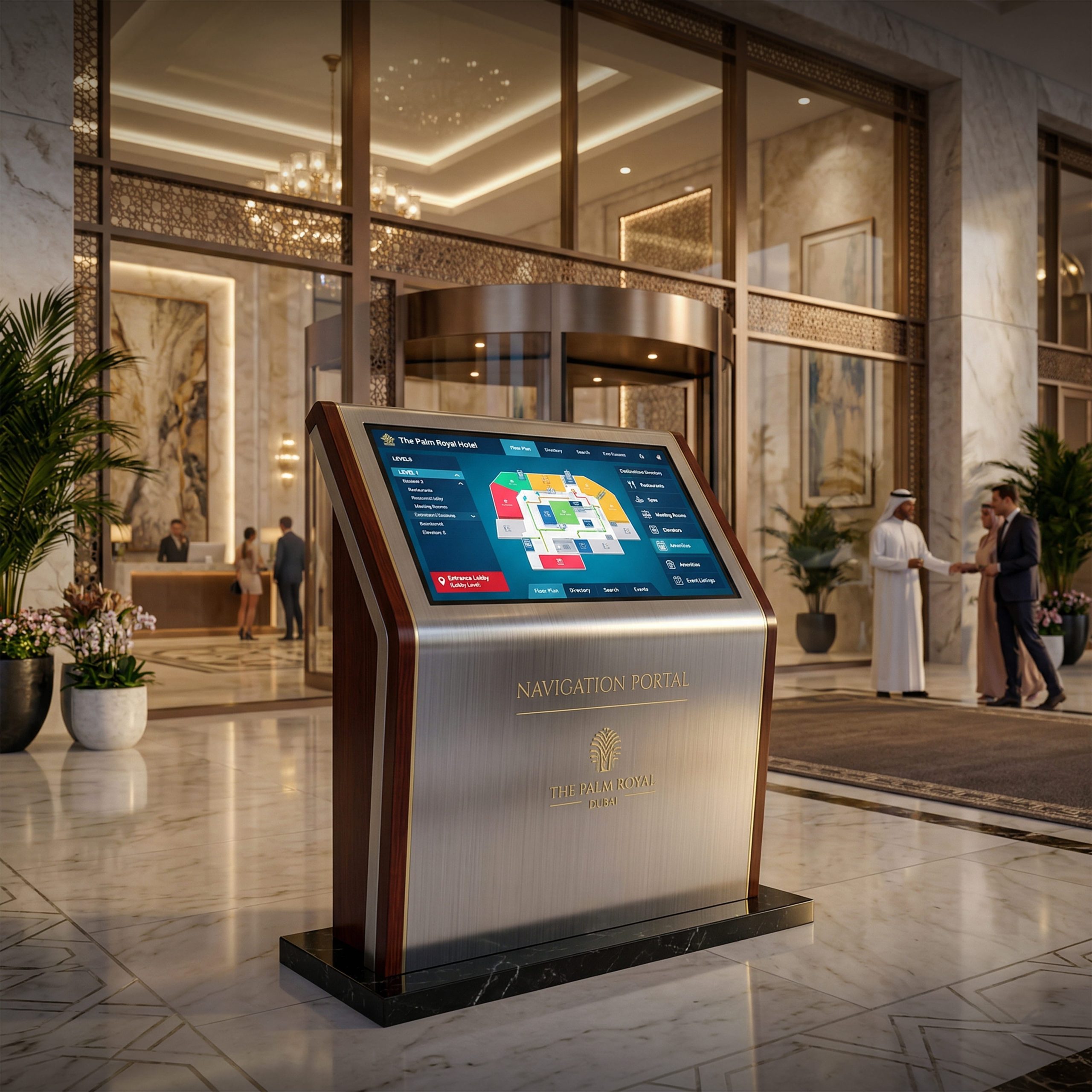
Interactive campus maps supporting student and visitor navigation.
Lobby directories helping visitors locate offices and services within multi-tenant buildings.
If your organisation is exploring digital navigation systems within buildings or campuses, our team can review your environment and discuss how digital wayfinding solutions may support visitor navigation.
Request A Project DiscussionRequest A Project Discussion